
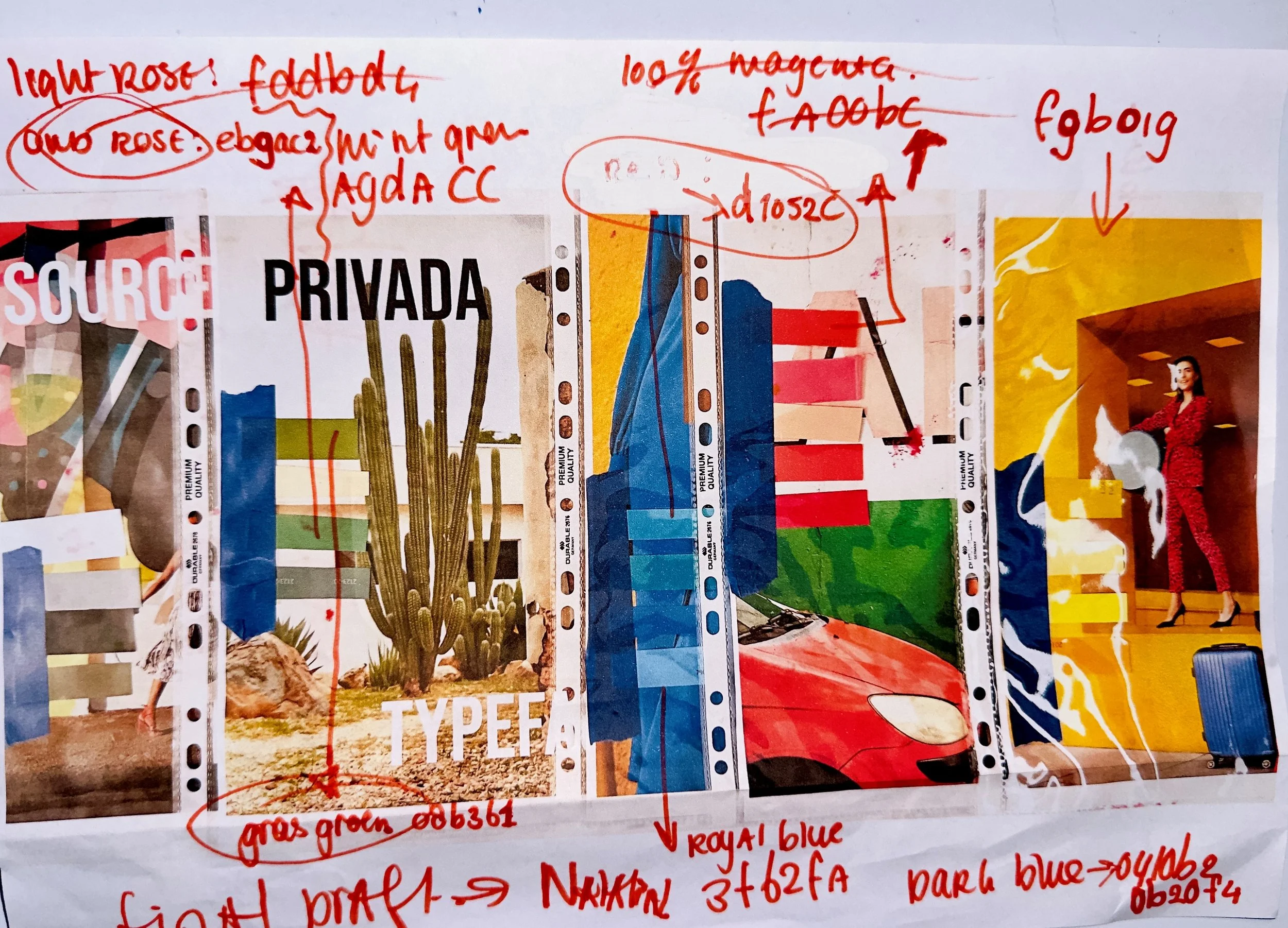
all room themes connect back to Aruban experiences
Designed by Elisa Lejuez
About the artist
When I was 16, I unexpectedly found myself on a year-end school trip to a museum in Germany. The exhibit was on pop art—a genre I had never encountered before. Until that moment, my idea of art was limited to 16th-18th century styles, which never really resonated with me. But stepping into that pop art exhibit and seeing Andy Warhol's work for the first time was a revelation. I was captivated by the bold colors, large canvases, and the graphic silkscreen printing techniques he used. I knew instantly that this was the kind of art I wanted to create.
After that experience, I began painting at home more than ever. I’d always painted a little as a young girl, but now I felt a new drive to push my skills further. Within months, I applied to art school in Arnhem, The Netherlands, though I knew it would be a challenge to get accepted due to the rigorous selection process. But I succeeded, gaining admission to pursue my passion.
Following art school, I went on to earn a master’s degree in textile design. For three years, I worked as a textile designer, where I continued to use graphic and silkscreen techniques similar to those that had inspired me in the pop art world. Since 1999, I have been living in Aruba, working full-time as a pop art artist, fully immersed in the style that first ignited my passion for art.

ABOUT EACH THEME
-
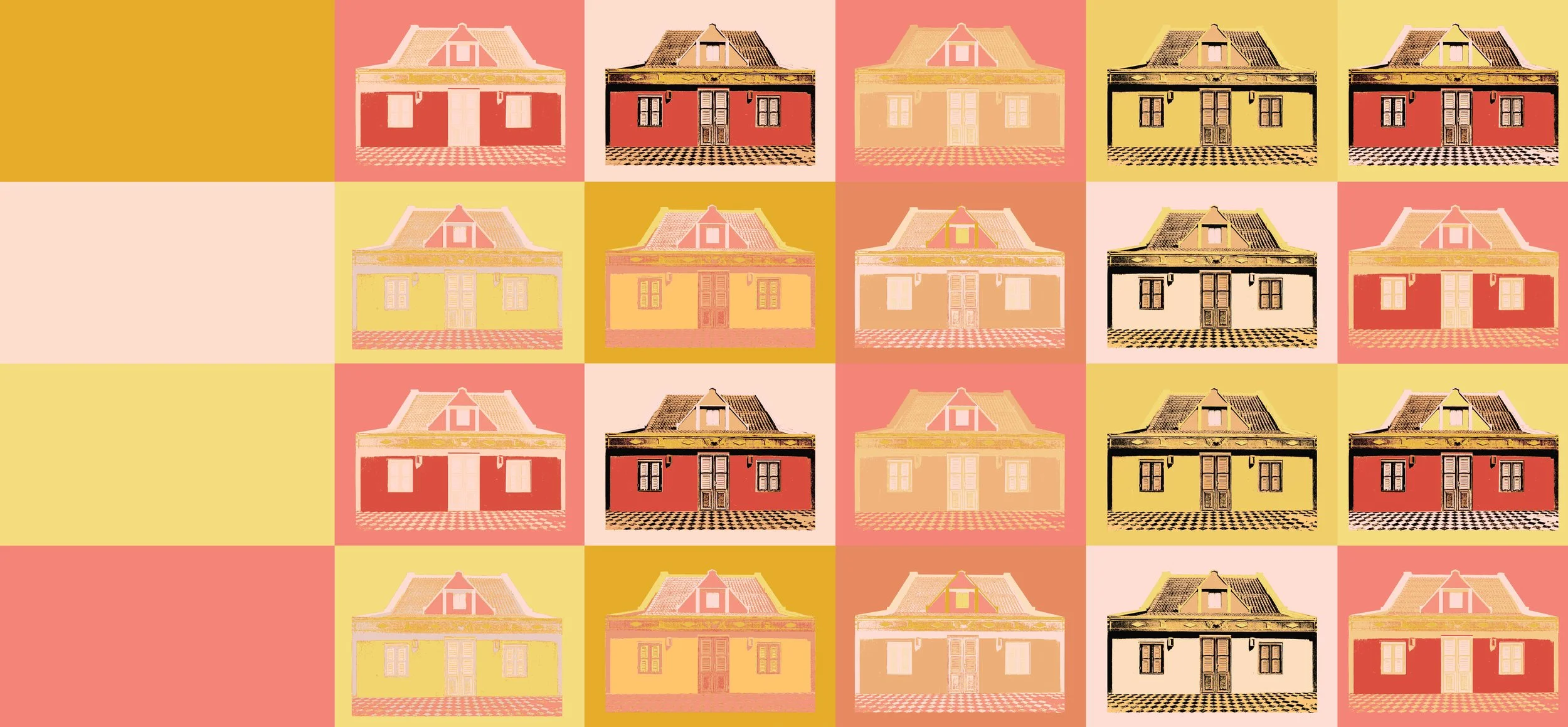
The Cunucu House, is an important and historic type of architecture native to Aruba and the other Dutch Caribbean islands, like Curaçao and Bonaire. Developed in the 18th and 19th centuries by early settlers, particularly those who farmed the "cunucu" (which means "countryside" or "farm" in the local Papiamento language).
Distinctive Architectural Style Cunucu Houses are characterized by their simple, one-story rectangular shapes, often with gabled or hipped roofs that slope steeply. The structures typically have thick walls made of coral stone or adobe, coated with a lime-based plaster to help insulate against Aruba's hot climate. Their roofs are made of traditional materials like clay tiles, which also help in cooling, and can be recognized by their reddish color.
Adaptation to the Climate
Cunucu Houses were ingeniously designed to keep cool in Aruba’s hot, dry climate. Thick walls and small windows help maintain a stable interior temperature, minimizing the effects of the sun and heat. The orientation and layout of these houses were often influenced by the wind, as they were positioned to take advantage of the natural trade winds that cool the island.Decorative Features and Bright Colors
These houses are often painted in bright colors, such as yellow, blue, and red, which makes them visually striking against Aruba’s dry, cacti-filled landscape.The doors and windows frequently feature ornate, hand-carved wooden shutters and decorative motifs, reflecting the artistic sensibilities and craftsmanship of Aruban builders. Over the years, many Cunucu Houses have been modified to adapt to changing lifestyles and technology, but efforts are ongoing to preserve the original structures as part of Aruba’s cultural heritage. -
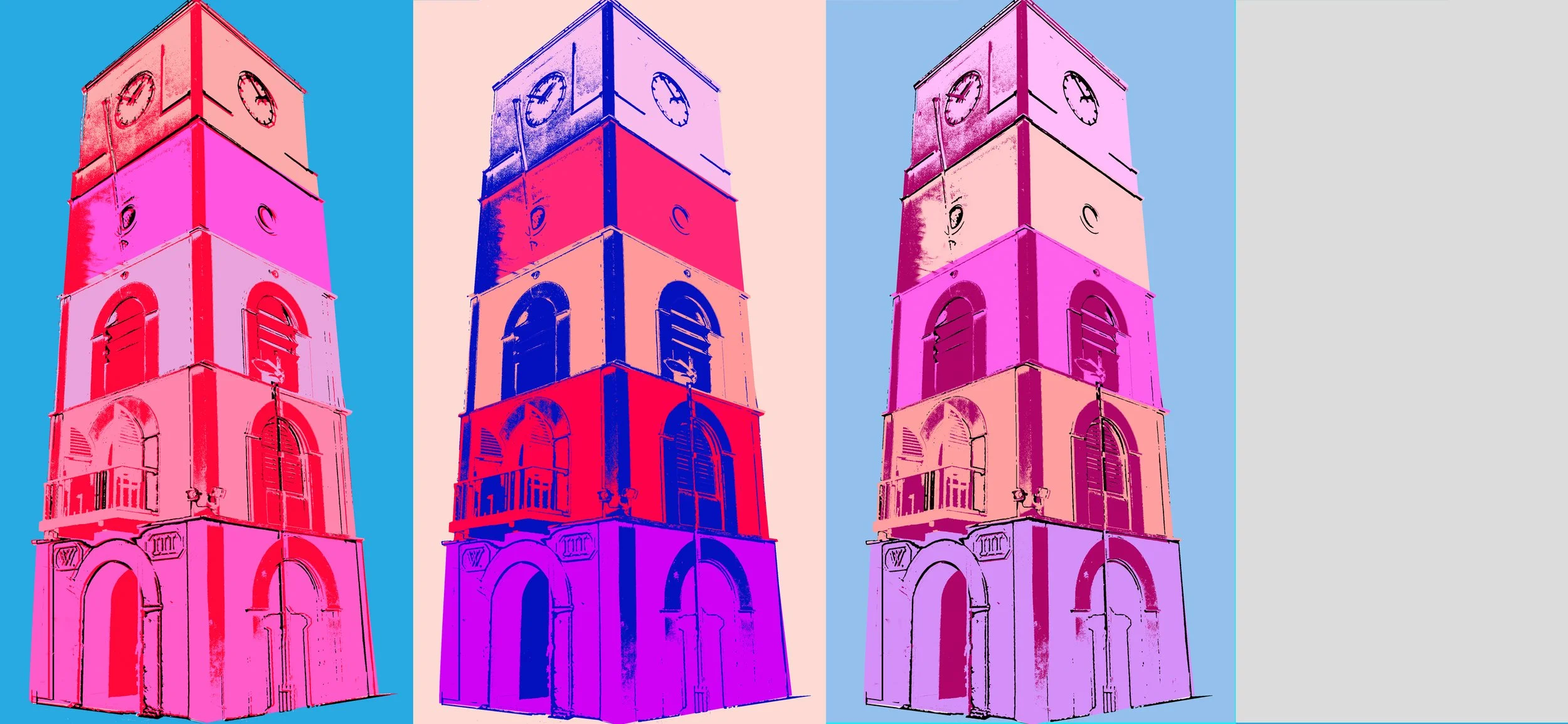
The Fort Zoutman and Willem III Tower are among Aruba's most important historical landmarks, symbolizing the island's colonial past and rich heritage. Situated in Oranjestad, the capital city. Fort Zoutman was constructed in 1798 by the Dutch colonial government to protect the island from pirates and enemy attacks. It is the oldest surviving building in Aruba. Named after Dutch Rear Admiral Johan Arnold Zoutman, a renowned naval officer, the fort was initially intended to defend Aruba's harbor and coastline from potential invaders. For years, it functioned as a navigational aid for ships entering Oranjestad Harbor. Located near the main harbor, Fort Zoutman and Willem III Tower remain central to Oranjestad’s layout. The tower served a dual purpose as both a lighthouse and a clock tower.
Architectural Style and Materials
Fort Zoutman and Willem III Tower are built in a Dutch colonial style, using local materials such as coral stone, which gives the structures a unique, sturdy look. The architecture reflects military-style simplicity with thick walls and small windows, which were designed to withstand cannon fire and attacks. The tower’s clock was a prominent feature, serving both functional and aesthetic purposes and enhancing the colonial charm of the building.Role in Aruba’s Governance and Community
Fort Zoutman once served as the government headquarters, a courthouse, and even a jail, playing multiple roles in Aruba’s colonial administration. The complex was central to the island’s governance and law enforcement, reinforcing the importance of Oranjestad as the administrative heart of Aruba.Since 1983, Fort Zoutman and Willem III Tower were transformed into the Aruba Historical Museum. This marked a turning point in the building’s function, shifting from military and administrative purposes to cultural preservation. The museum houses artifacts, documents, and exhibits that showcase there Even I had an expo some years ago.
-
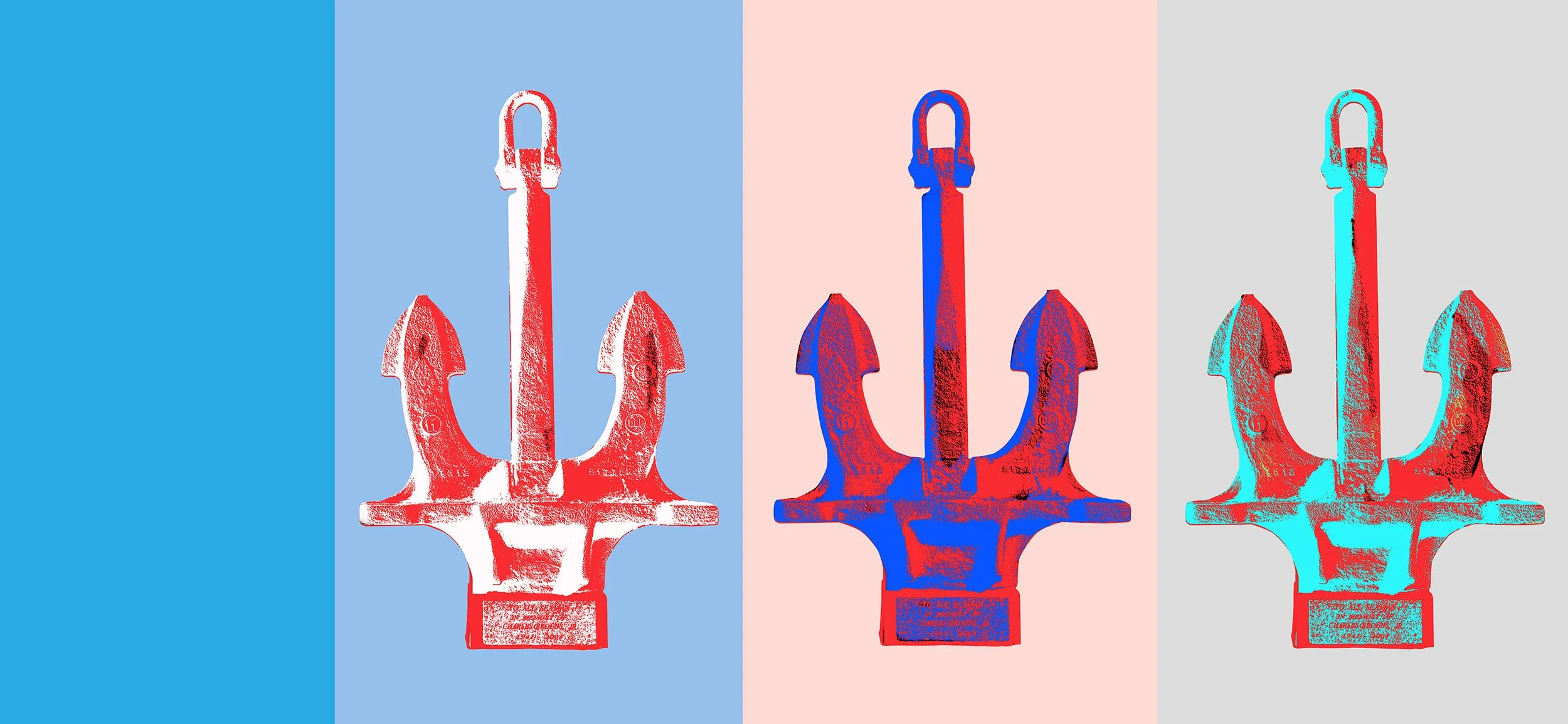
The anchor at grape field in Aruba is from the oil tanker SS Esso Caracas, a ship once operated by the Lago Oil and Transport Company. This anchor serves as a tribute to Aruba's deep-rooted history with the oil industry and to honor the workers of the Lago refinery. The SS Esso Caracas was active during the mid-20th century, and its anchor was installed at Baby Beach in the 1980s as a monument to commemorate the legacy of Lago Oil and Transport and the significance of Aruba’s oil industry.
This iconic landmark is often called the "Anchor in Memory of All Seamen" and is located near Baby Beach as a reminder of the many seafarers who contributed to Aruba's maritime and industrial history.
A Symbol of Connection stands as a bridge between the past and the present, between the land and the sea. This anchor symbolizes Aruba's enduring spirit, its maritime heritage, and the unbreakable bond between the island and the ocean.
It reminds us that even in loss, there is beauty and history to be preserved and shared. As the sun sets, casting golden hues over Baby Beach, the anchor's shadow grows long, a silent guardian of stories untold and a witness to the timeless dance between the island and the sea.
-
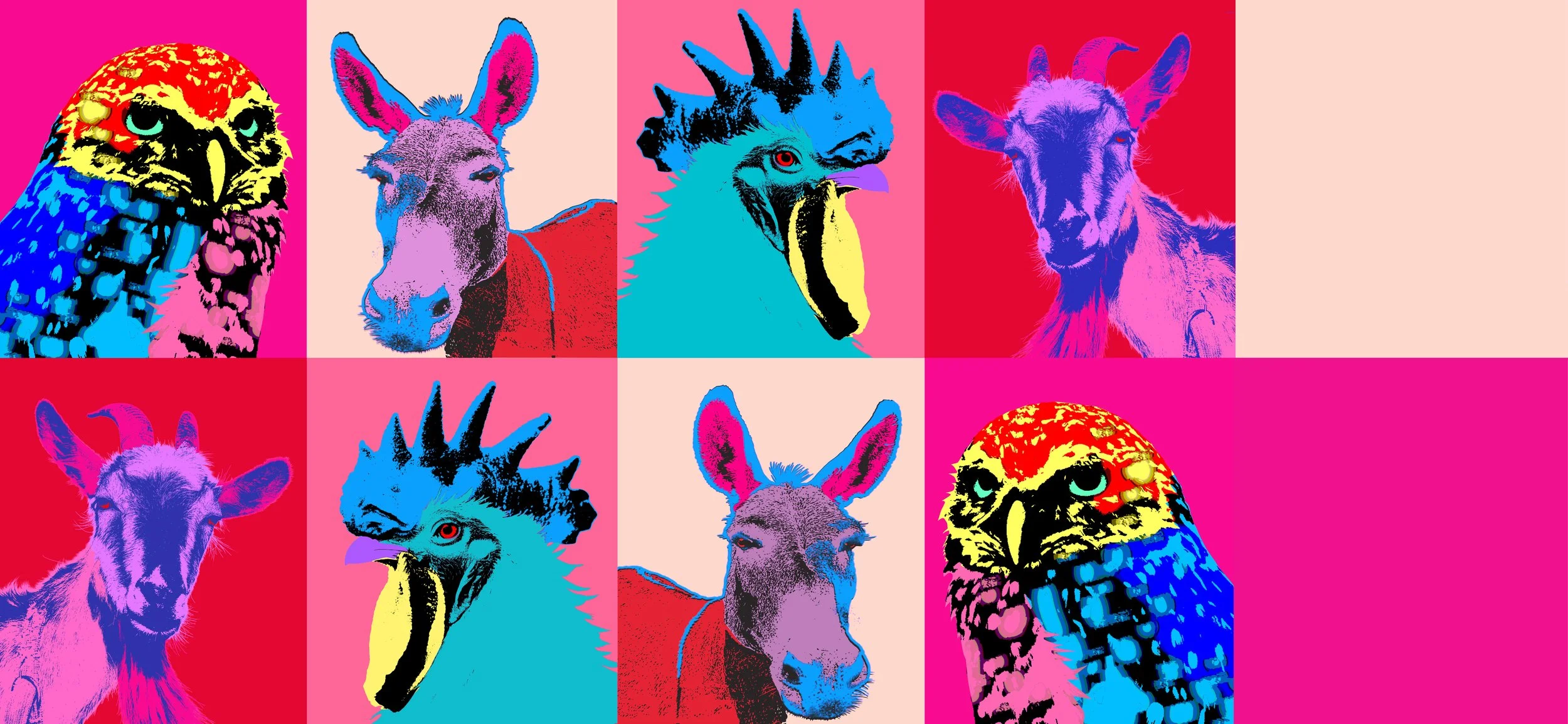
Aruba's diverse ecosystem is home to a fascinating array of animals, each contributing to the island's unique biodiversity and cultural heritage.
Goats
Adaptability: Goats in Aruba are highly adaptable animals, thriving in the island's arid conditions. They are often seen roaming the countryside or cunucu, foraging on sparse vegetation. Cultural Significance: Goats have a long history on the island, being one of the first animals introduced by European settlers with their hardiness, adaptability to dry climates they survive well in Aruba, They are integral to Aruban agricultural practices and cuisine, with goat meat being a staple in traditional dishes.Population Management: The goat population in Aruba is controlled through fencing and legislation to protect crops and native vegetation, highlighting the balance between agricultural practices and environmental conservation.
Roosters
Presence: Roosters are a common sight and sound in Aruba, known for their early morning crowing. They are often found in rural and residential areas alike, contributing to the island's vibrant soundscape.
Cultural Icon: The rooster holds a place in Aruban folklore and is considered a symbol of wakefulness , alertness and caution. It also plays a role in local festivities and traditions.
Community Roosters: In some neighborhoods, roosters roam freely, cared for by the community rather than belonging to any one household, reflecting the communal spirit of the island.
Donkeys
Historic Importance: Donkeys were once the primary mode of transportation and labor in Aruba, crucial for the island's development. Over time, as modern vehicles became prevalent, donkeys were released into the wild.
Symbol of Resilience: Donkeys are seen as symbols of Aruba's resilience and heritage, representing the island's history of adaptation and survival in a challenging environment.
These animals, each with their own story and significance, contribute to the rich tapestry of life in Aruba, reflecting the island's diversity, ecological importance, and cultural richness.
The Shoco Owl (Aruban Burrowing Owl)
is a cherished and iconic species in Aruba, celebrated for its uniqueness and cultural significance. Some facts about the Shoco Owl: Endemic Subspecies it is found nowhere else in the world. This makes the Shoco an important symbol of Aruba’s natural heritage and biodiversity, as well as a source of national pride. Appearance and Characteristics The Shoco Owl is relatively small, standing about 9 inches (23 cm) tall, with a wingspan of approximately 20-24 inches (51-61 cm). It has distinctive yellow eyes, long legs, and a rounded head without ear tufts. Its plumage is mostly brown with white spots, helping it blend into Aruba’s dry, sandy landscape. Habitat and Burrowing Behavior Unlike most owls, the Shoco Owl is a ground-dweller and primarily lives in burrows rather than trees. -
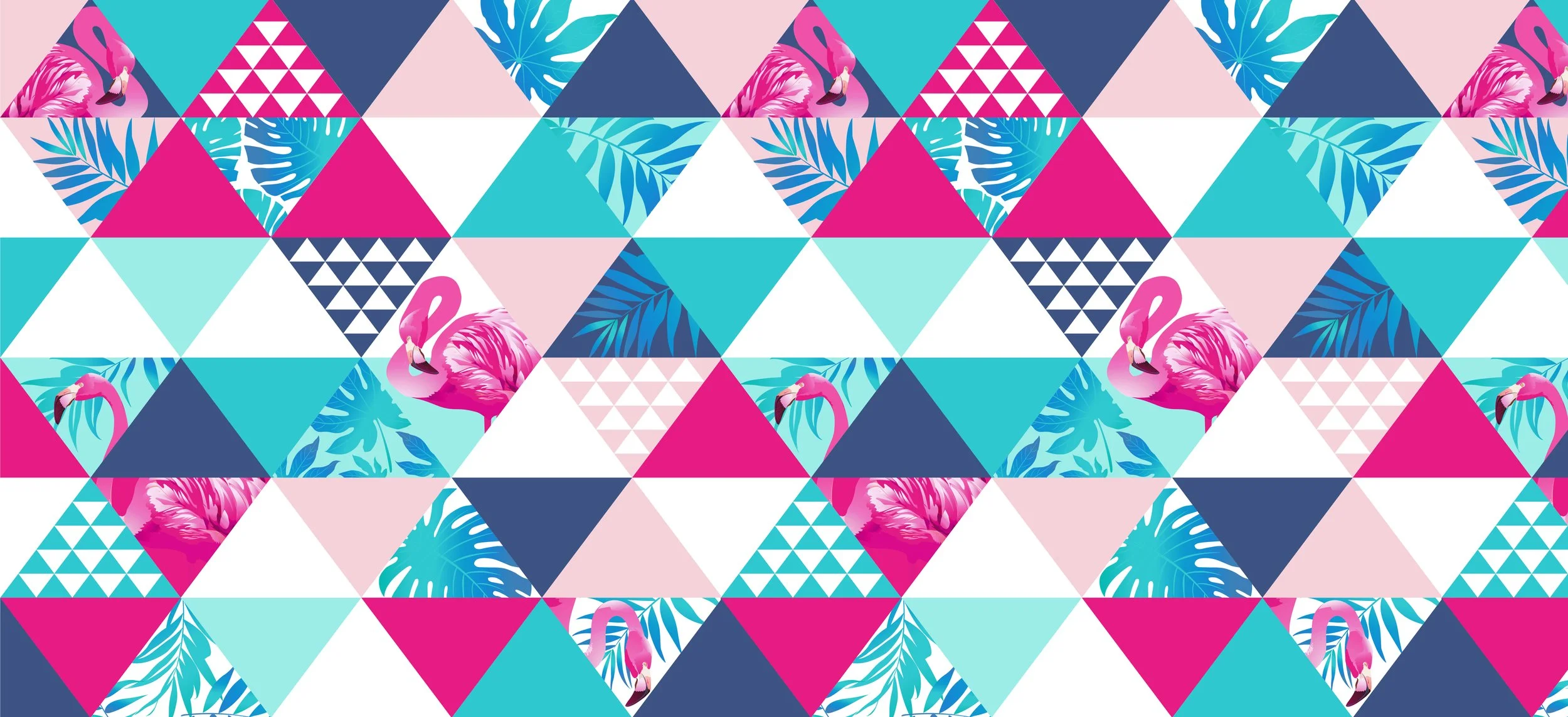
Have become one of the island's most enchanting and iconic attractions, captivating visitors with their delicate grace and vibrant pink hues. These majestic birds are not native to Aruba but have made certain areas of the island, their home, creating a surreal and picturesque landscape that seems almost too beautiful to be real.
Occasionally, wild flamingos from Bonaire or Curaçao visit Aruba.
The flamingos in Aruba are known for their striking pink color, a result of their diet rich in carotenoids from shrimp and other crustaceans. These birds are characterized by their long legs, necks, and distinctive downward-bending beak, which they use to filter-feed on algae, small insects, and crustaceans from the water.
-
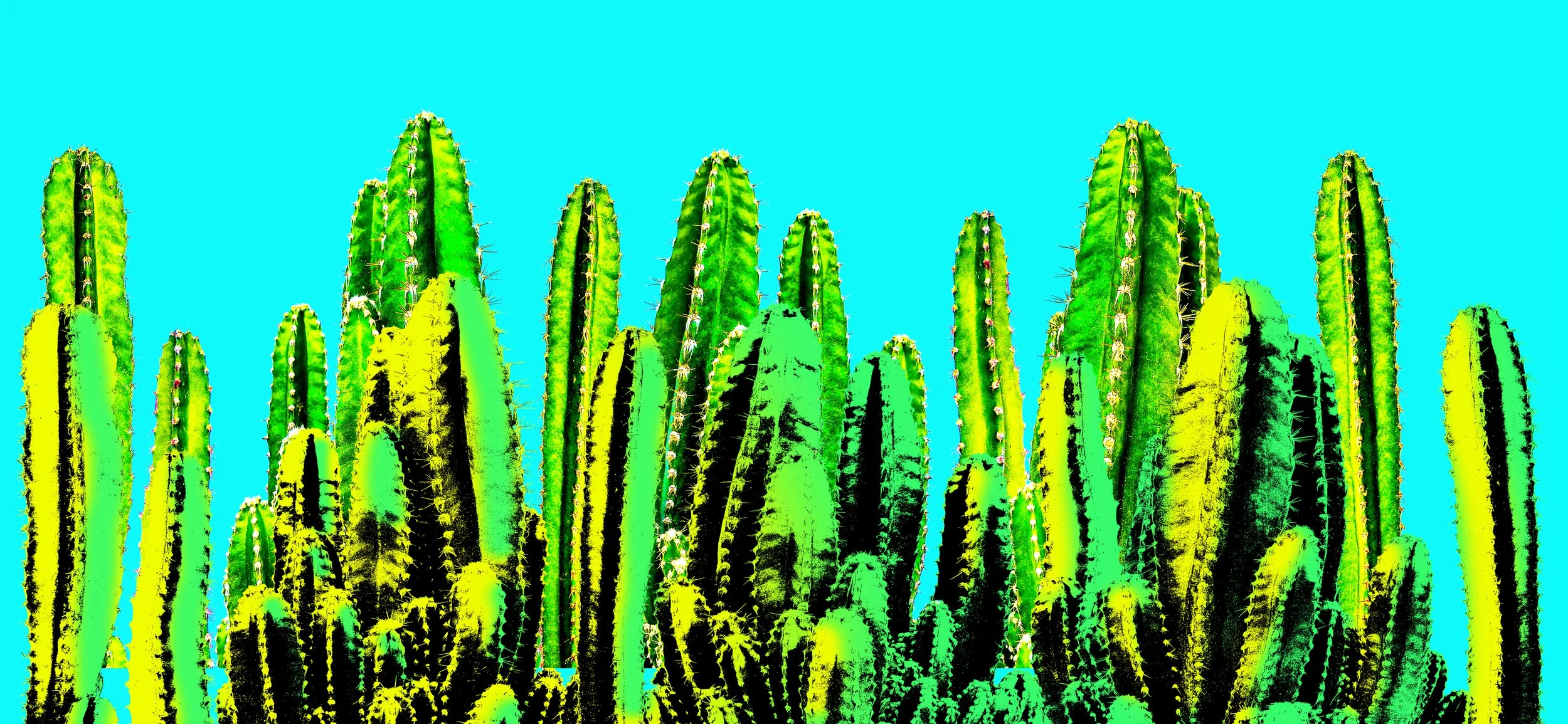
Aruba's landscape is a testament to nature's adaptability, with its many cacti standing tall as symbols of resilience and beauty in an arid environment. The island, characterized by its dry, desert-like climate, is home to a diverse array of cactus species, which have become an integral part of its ecosystem and cultural identity. These cacti not only adorn the landscape with their unique shapes and sizes but also play a crucial role in sustaining local wildlife and embodying the island's ecological diversity
Cacti are deeply woven into the cultural fabric of Aruba. The Cadushi cactus, for instance, is not only used in traditional cooking but also in crafting. Its wood is utilized to make furniture and decorative items, showcasing the Aruban people's creativity and resourcefulness.
Moreover, cacti are featured in local folklore and art, symbolizing strength, endurance, and the beauty of adapting to one's environment.
The cacti of Aruba are more than just plants; they are storytellers of the island's past, present, and future. Standing resilient against the harsh desert sun, they remind us of nature's ability to flourish under challenging conditions.
For visitors and locals alike, the cacti are a source of inspiration, a symbol of Aruba's natural beauty, and a reminder of the importance of conservation in preserving the unique landscapes that define our world.
-
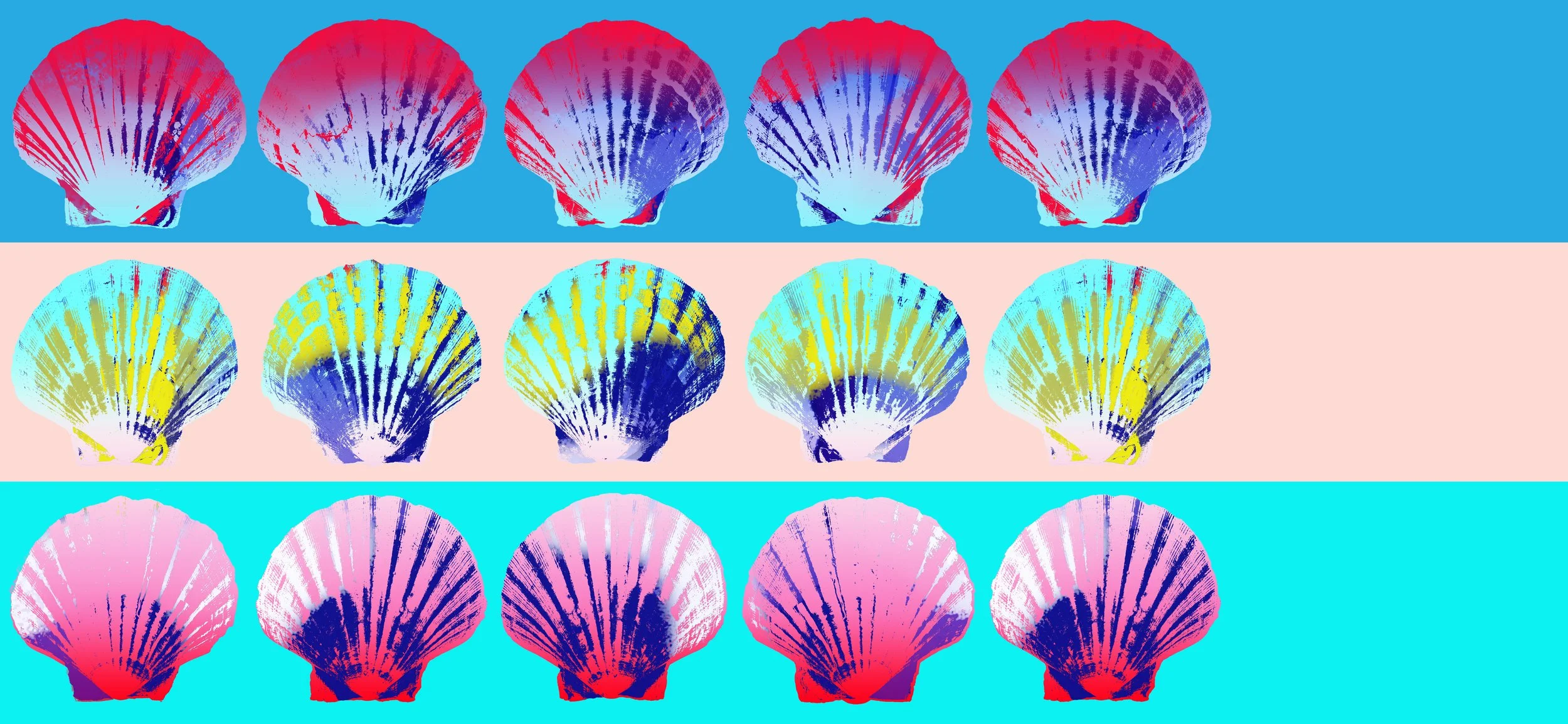
Aruba, with its crystal-clear waters and vibrant underwater ecosystems, is a haven for those fascinated by the beauty and diversity of marine life, particularly shells and corals. These natural treasures not only contribute to the island's stunning seascapes but also play critical roles in the health and sustainability of its marine environments.
The “Cockle” shell, symbolizing aspects of protection, love, and journeying.
Love and Heart Connection Cockle shells are often associated with the heart, as the shell’s shape resembles a heart when viewed from above. They symbolize love, compassion, and emotional openness.
In spiritual practices, the cockleshell is sometimes seen as a reminder to remain open to love and to nurture relationships, symbolizing an open heart. However, it’s worth noting that cockles are not as common in Aruba as other types of shells due to the island's unique marine ecosystem.
-
The California Lighthouse stands as an iconic landmark on the northwest tip of Aruba, near Arashi Beach, offering breathtaking panoramic views of the island's rugged coastline and the azure Caribbean Sea. Named after the S.S. California, a steamship that famously sank off the coast of Aruba in 1910, close to what is now known as California lighthouse, completed in 1916, was named after the shipwreck to serve as a navigational aid and warn other vessels of the dangerous, rocky coastline.
Constructed between 1914 and 1916, the California Lighthouse was built in response to the S.S. California tragedy, aiming to prevent further maritime mishaps in the treacherous waters surrounding Aruba.
It's a popular spot for watching sunsets, with the lighthouse casting a serene silhouette against the evening sky.
The California Lighthouse in Aruba is more than a historical monument; it's a landmark that captures the imagination, offering stories of the past and stunning views that stretch into the horizon. I personally think it’s the best sunset view in Aruba.
-
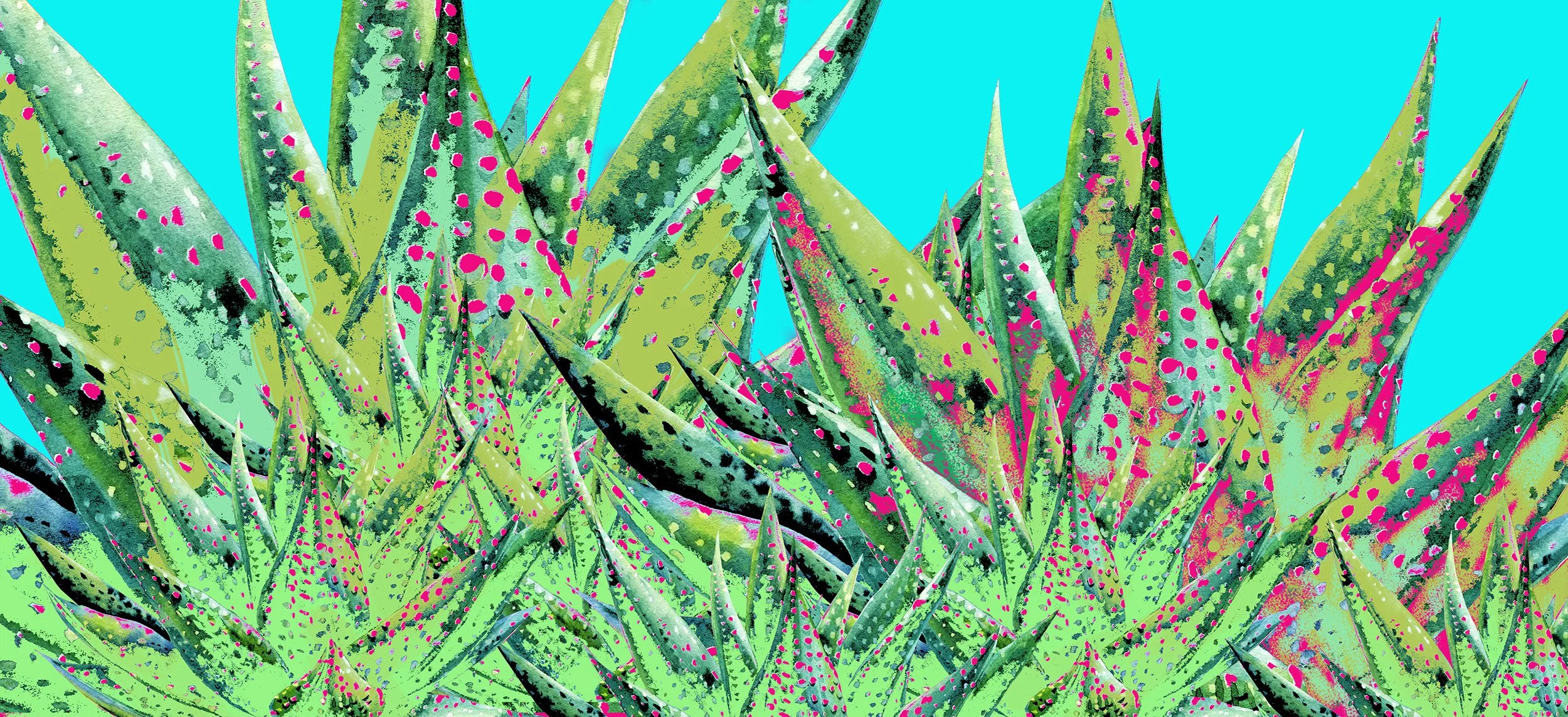
The island’s dry climate and unique soil conditions make it an ideal location for cultivating aloe. Aloe cultivation began in Aruba in the early 19th century, particularly in the 1840s, when the island became a key player in the global aloe industry. Aruba was once known as one of the world’s largest producers of aloe, and the plant was integral to the island's economy for over a century, especially during the 20th century.
Aloe Vera as a Commercial Product Aruba was historically a major exporter of aloe products, with Aloe Vera gel being used in cosmetics, pharmaceuticals, and even as a health tonic. Therapeutic Uses of Aloe Aloe vera is known for its healing properties, especially for skin conditions. It is commonly used to treat sunburn, skin irritation, and wounds, which makes it particularly useful in a sunny, tropical climate like Aruba's. It also has digestive health benefits, as consuming aloe vera juice is believed to soothe the stomach and support overall digestion.